



Board-certified criminal lawyer in round rock, TX
Is Possession of Marijuana a Felony in Texas?
Not usually, but it can be, and the line between "misdemeanor" and "felony" comes down to weight, not intent. Possession of marijuana (POM) is one of the most common charges I see in Williamson County, and it's also one of the most beatable, if you know where to look. Here's what actually determines the charge, what a conviction costs you, and what it takes to fight it or clear it from your record later.
If you've been arrested for marijuana or other drug possession, the details below apply directly to your case.
Is Marijuana Possession a Felony in Texas
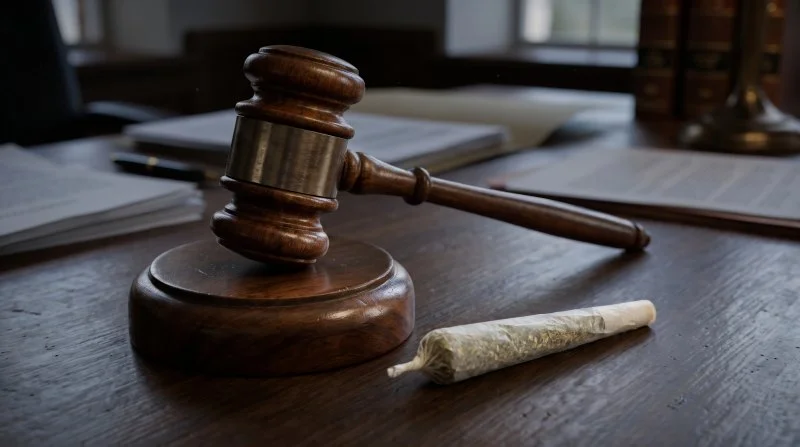
It depends entirely on how much you're accused of possessing. Texas Health and Safety Code § 481.121 grades marijuana possession by weight:
- 2 ounces or less (the vast majority of the cases I handle): Class B misdemeanor, up to 180 days in jail and a $2,000 fine;
- 2 to 4 ounces: Class A misdemeanor, up to 1 year in jail and a $4,000 fine;
- 4 ounces to 5 pounds: State Jail Felony, 180 days to 2 years in state jail and a $10,000 fine;
- 5 to 50 pounds: Third-degree felony, 2 to 10 years in prison;
- 50 to 2,000 pounds: Second-degree felony, 2 to 20 years in prison;
- Over 2,000 pounds: First-degree felony, 5 to 99 years or life.
So, most people arrested for marijuana in Round Rock or Georgetown are facing a misdemeanor, not a felony. But the moment the alleged weight crosses 4 ounces, everything changes, including which court hears the case and whether probation even keeps you out of prison.
One separate note: vape cartridges, edibles, and THC concentrates are graded completely differently, under a much harsher framework, where even a small amount can be charged as a felony. If your case involves a THC product rather than plant material, the math above doesn't apply, and you should talk to me directly.
What a Marijuana Possession Conviction Actually Costs You
Beyond the fine and any jail time, a POM conviction triggers an automatic 180-day driver's license suspension under Texas law. This happens only with an actual conviction, not with deferred adjudication, which is one reason I push for deferred adjudication whenever it's on the table.
How to Beat a Possession of Marijuana Charge in Texas
- Make the state prove it's actually marijuana. Since Texas legalized hemp in 2019, marijuana is legally defined as cannabis with more than 0.3% THC. But hemp, which is legal, looks and smells identical to it. A roadside field test can only detect the presence of cannabinoids; it cannot measure THC concentration. That means the state must produce a lab result showing your case crossed the 0.3% line, and as of September 2025, labs must test for Total THC, a stricter standard than before. Williamson County itself paused marijuana prosecutions for a period after the hemp law passed, specifically because of this testing gap. If the lab work isn't there, or doesn't hold up, the case doesn't either.
- Challenge the stop and the search. Was there a legal reason for the initial contact? Was the search of your vehicle or person actually consented to, or was it based on real probable cause? You are never required to consent to a search, and if officers searched anyway without legal justification, that evidence can potentially be thrown out.
- Challenge actual possession. In a car with multiple people, or a house with multiple residents, the state has to prove the marijuana was actually yours, not just nearby. This "constructive possession" issue comes up constantly and isn't always as airtight as it looks in a police report.
- Use the county to your advantage. Outcomes vary significantly by jurisdiction. In Williamson County, a POM charge is more likely to result in probation, but in some neighboring counties, I've been able to get a marijuana charge dismissed entirely in exchange for a plea to Class C possession of drug paraphernalia instead, a much lighter outcome. Knowing how a specific county's prosecutors actually handle these cases matters as much as the law itself.
How to Get a Marijuana Possession Charge Expunged in Texas

This is where people get tripped up, because "expunction" and "nondisclosure" aren't the same thing, and which one applies to you depends entirely on how your case ended.
- Expunction destroys the record completely, as if it never happened. It's only available if the charge was dismissed, never filed, or you were acquitted. If no charges were ever filed, Texas requires a waiting period, one year for a Class B or Class A misdemeanor, before you can apply.
- An order of nondisclosure seals the record from the public and most employer background checks, but it still exists and remains visible to law enforcement and certain licensing agencies. This option applies if you completed deferred adjudication, which is how most POM cases in Texas actually resolve. For a first-time misdemeanor, nondisclosure is technically automatic six months after being placed on deferred adjudication, but in practice, courts don't always process it without a reminder or a formal request.
Here's what matters most: if you plead guilty and receive a straight conviction rather than deferred adjudication, neither expunction nor nondisclosure is available. That record is permanent. This is exactly why the plea you accept upfront matters as much as, sometimes more than, the outcome itself.
Talk to Someone Before You Plead
A marijuana charge feels minor until it shows up on a background check five years from now, or costs you a license you didn't even know was at risk. I've spent two decades watching these cases rise or fall in Williamson County courtrooms on a single lab report or a five-minute conversation about consent, and most of that leverage disappears the moment someone pleads guilty without knowing it was there.
Attorney Ryan H. Deck takes these cases personally, not merely as a volume business. If you're facing a possession charge, reach out before your first court date so we can look at what the state can actually prove and build your defense.


Texas Board-Certified Criminal Defense Attorney with over 20 years of experience
Target

A Field Test Isn't Proof
Most marijuana cases hinge on evidence the state may not actually be able to prove in court. Let's find out whether yours does.