


Board-certified criminal lawyer in round rock, TX
9 Legal Defenses to a Texas DWI Charge (And When Each One Actually Works)
A DWI arrest can feel like the case is already closed the moment the cuffs go on. It isn't. Texas prosecutors have to prove every element of a DWI beyond a reasonable doubt, and each link in the chain of facts, from the initial stop to the final BAC number, can be challenged.
This article will walk you through the defenses that can make a meaningful difference in a Texas DWI case and, just as importantly, when each one doesn't.
9 Common Legal Defenses to DWI Charges in Texas
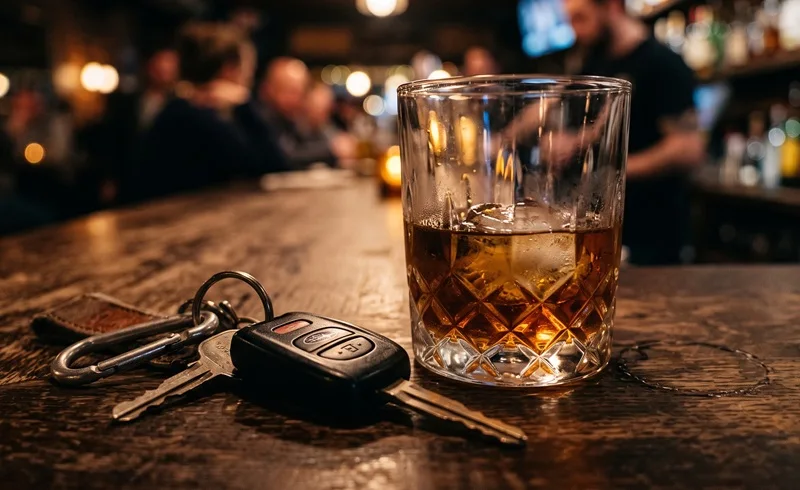
The most common DWI defenses in Texas fall into two buckets: challenging how the evidence was gathered (the stop, the field sobriety tests, and the breath or blood test) and challenging what the evidence actually proves (rising BAC, medical conditions, no physical control, no public place, etc.).
Here are the nine defenses that come up most often and the specific facts that determine whether each one is successful.
1. The Initial Traffic Stop Wasn't Legal
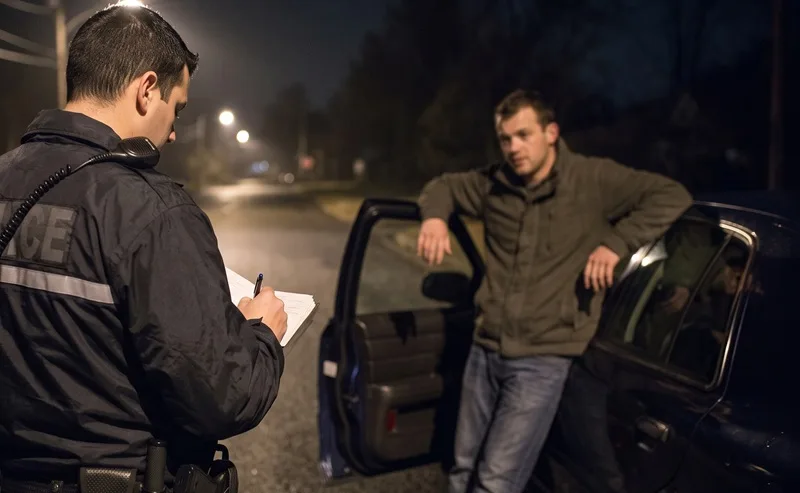
Every DWI case starts with a stop, and every stop must be justified by reasonable suspicion of a traffic violation or a crime. If the officer pulled you over without a valid reason, everything that happened afterward, including any field sobriety or chemical tests they administered, can be thrown out.
When it works: The officer's report cites a vague reason like "suspicious behavior" with no specific traffic code violation; dashcam footage contradicts the stated reason for the stop; or the stop was based on an anonymous tip, with no independent corroboration.
When it doesn't: There's clear video of a traffic violation, such as speeding, failing to signal, or swerving between lanes, or the officer had a specific, clearly articulated reason that’s likely to hold up in court.
If that same stop turned into a search of your car, that's a separate issue worth addressing on its own. Read our full guide on when you can refuse a vehicle search in Texas.
2. Field Sobriety Tests Weren't Administered Correctly
The three standardized field sobriety tests (the walk-and-turn, one-leg stand, and horizontal gaze nystagmus) follow strict administration protocols set by the National Highway Traffic Safety Administration. When officers skip steps, use the wrong surface or lighting, or fail to account for a motorist’s physical limitations, the results become far less reliable.
When it works: The test was given on uneven ground, in poor lighting conditions, or in bad weather; the officer didn't ask about injuries, weight, or footwear before administering it; or bodycam footage shows the officer deviating from the standardized instructions.
When it doesn't: The test was recorded on video, administered on a flat, well-lit surface, and the officer followed the NHTSA protocol step by step.
3. Breathalyzer Calibration and Maintenance Problems
A breath test result is only as good as the machine that produced it. Devices like the Intoxilyzer 9000 (the model used across Texas) require regular calibration, maintenance logs, and certified operators.
When it works: Maintenance or calibration records are missing, overdue, or show that the machine was flagged for a prior malfunction; the operator wasn't certified, or the certification had lapsed; or the required 15-minute observation period before the test wasn't followed.
When it doesn't: The machine has a clean maintenance history, the operator was properly certified, and the observation period is documented on video.
Not sure whether to take the breath test in the first place? Our guide on refusing a breathalyzer test in Texas explains when refusal can help your case and when it doesn't.
4. Broken Chain of Custody on the Blood Test
Blood draws have to go from the syringe to the lab to the courtroom without gaps, and every hand-off, storage period, and testing procedure must be meticulously documented. A break anywhere in that chain gives the defense an opening to challenge whether the blood tested is truly reliable.
When it works: There's a gap in the paperwork between the draw and the lab analysis, the sample wasn't stored at the right temperature, the vial wasn't properly sealed, or the lab technician who ran the test can't be located or has since been fired for previous errors.
When it doesn't: The chain of custody is fully documented from the draw through the final report, and the lab that processed it uses accredited procedures.
This defense frequently comes up for blood draws taken under a warrant, including DWI arrests made during a No Refusal Weekend, where the paper trail matters even more.
5. Rising Blood Alcohol Concentration (BAC)
Alcohol takes time to absorb into the bloodstream. It's entirely possible to be under the legal limit while driving and over it by the time a blood or breath test is administered later at the police station. This is one of the most technical and most effective defenses in cases involving delayed testing.
When it works: There's a significant time gap between the stop and the test, the driver had "one for the road" shortly before driving, and a toxicologist can show the calculations suggest a BAC under 0.08 at the time of driving.
When it doesn't: The test was administered quickly after the stop, or the driver’s drinking pattern doesn't support a rising-BAC timeline (for example, they stopped drinking hours before getting behind the wheel).
This defense does even more work in cases where the final number comes back over the 0.15 threshold, since that reading can push a charge into enhanced-penalty territory in Texas.
6. Medical Conditions and Diets That Mimic Intoxication
Several common health conditions can cause someone to fail field sobriety tests or produce a deceptively high breath-test reading without a drop of alcohol being involved. They include:
- GERD (acid reflux): While rare, stomach acid and residual mouth alcohol from reflux can trigger a falsely elevated breathalyzer reading.
- Low-carb or ketogenic diets: Diets that prompt the body to burn fat for fuel can raise acetone levels in the breath, which some breath-test machines misread as ethanol.
- Diabetes, inner ear disorders, and neurological conditions: These can cause balance issues, slurred speech, or poor coordination that look similar to intoxication.
When it works: The person has a documented medical history of GERD, diabetes, or a similar condition, and a doctor or toxicologist can explain how it affected the test results.
When it doesn't: There's no supporting medical history, or the BAC number is high enough that a medical explanation can't reasonably account for it.
7. No Actual Physical Control of the Vehicle
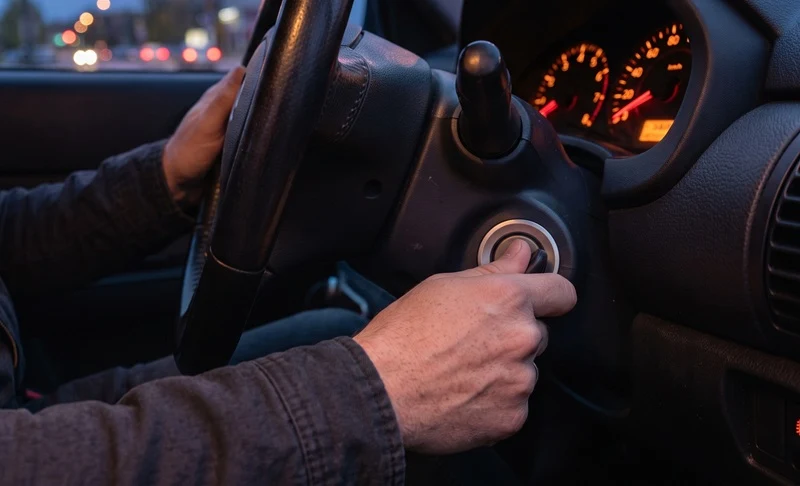
As interpreted by the courts, Texas law doesn't require the vehicle to be moving for a DWI charge, only that the individual was in "actual physical control", meaning they had the ability to operate the vehicle. However, that standard has limits, and a good defense attorney can challenge whether it was actually met.
When it works: The keys weren't in the ignition or within reach, the person was asleep in the back seat, or there's evidence that the car couldn't have been driven (dead battery, flat tire, parked and turned off for hours, etc.).
When it doesn't: The person was in the driver's seat with the keys in or near the ignition and the engine running or recently started.
8. It Wasn't a "Public Place"
Texas’s DWI statute requires the person charged to be intoxicated in a "public place". Courts define that term broadly, considering it to cover most parking lots, driveways shared with neighbors, and gated communities. However, truly private, restricted property can be a different story.
When it works: The property was fenced, gated, and inaccessible to the public, with no evidence that neighbors, delivery drivers, or guests regularly used the area.
When it doesn't: The location was a shopping center parking lot, an apartment complex driveway, or any space that the public could reasonably access.
We clarify exactly where the line gets drawn, including shared driveways and apartment lots, in our guide to getting a DWI on private property.
9. Involuntary Intoxication
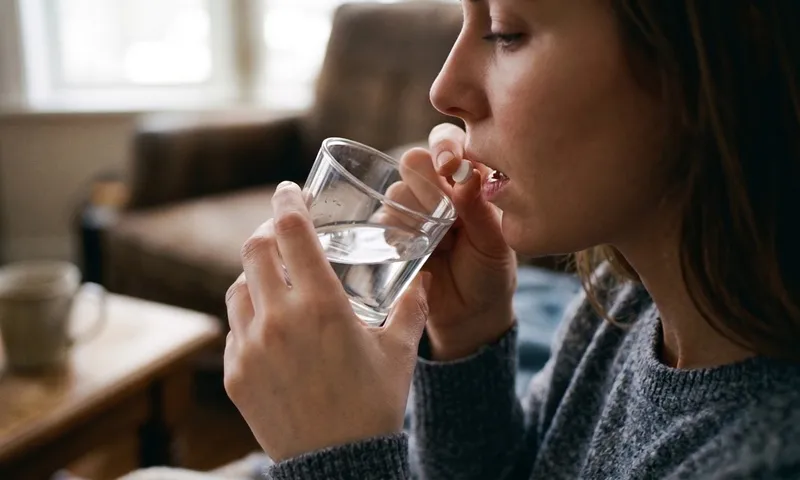
This defense may apply when someone becomes intoxicated without knowingly or voluntarily consuming a substance; for example, if their drink was spiked or they had an unexpected and undisclosed interaction with a prescribed medication. It's a narrow defense, but when the facts support it, it can be effective.
When it works: There's credible evidence that someone else spiked a drink, or a doctor or pharmacist gave incorrect instructions about a medication's effects and interactions, and the person had no reason to think that they'd be impaired.
When it doesn't: The person knowingly drank alcohol or took a substance they knew could impair them, even if they underestimated the effect.
Why the Details Matter More Than the Charge
On paper, a DWI charge looks the same in almost every case: There’s an arrest, an officer report, and (usually) a test result. But the facts behind the charge are never identical.
The strength of a rising-BAC argument depends on the exact timeline of drinking and testing, while the merits of a chain-of-custody challenge hinge on lab paperwork most people never see. That's why DWI cases are really won or lost based on the specific facts, not the charge sheet.
At The Law Office of Ryan H. Deck, we know how to pull apart every stage of a DWI case, from the initial traffic stop to the field sobriety tests to the toxicology lab report. As a former prosecutor, Ryan has seen these cases constructed from the other side and knows exactly where they tend to fall apart. Contact us today for a free consultation.
FAQs


Texas Board-Certified Criminal Defense Attorney with over 20 years of experience
Target
Target

Charged with a DWI?
Every DWI case is built using evidence that can be challenged, but figuring out which defense applies to your situation requires a closer look at the stop, the subsequent tests, and the paperwork backing it all up.
What is the strongest DWI defense in Texas?
There isn't a single "strongest" defense; the argument you and your attorney raise will depend entirely on the facts.
A rising-BAC argument can be powerful when substantial time elapsed between driving and testing, while a chain-of-custody challenge can be compelling when the blood-test paperwork contains gaps. Our Williamson County DWI lawyer can look over the police report, dashcam footage, and lab records to figure out which defense best fits your case.
Can a DWI be dismissed if I fail a breathalyzer?
Yes. A failed breath test isn't the end of the case. Machine-calibration issues, an uncertified operator, or certain medical conditions can all call the number into question and help avoid charges from sticking.
Will refusing a blood or breath test help my DWI defense?
Possibly. Refusing testing removes a key piece of evidence the state would otherwise have, but it also triggers Administrative License Revocation (ALR) and doesn't stop police from getting a warrant for a blood draw in many cases.
What does "actual physical control" mean in a Texas DWI case?
It means you were in a position to operate the vehicle (generally in the driver's seat with the keys within reach), even if the car wasn't moving. Whether that standard was actually met is often something a skilled defense attorney can call into question.
How soon should I contact a lawyer after a DWI arrest?
Immediately. Many DWI defenses, like preserving dashcam footage or requesting an ALR hearing to fight license suspension, have short deadlines that start running the moment you're arrested.