


Board-certified criminal lawyer in round rock, TX
Should You Take Field Sobriety Tests During a DWI Stop in Texas?
Getting pulled over on suspicion of DWI in Williamson County is one of the most stressful experiences a driver can face. In this situation, most people's instinct is to cooperate fully in order to prove that they have nothing to hide. But cooperation and compliance aren’t the same thing, and the difference between the two can determine the outcome of your case.
In this article, our knowledgeable Round Rock DWI attorney breaks down exactly what you should do at a DWI stop in Texas.
What You’re Required to Do at a DWI Stop in Texas
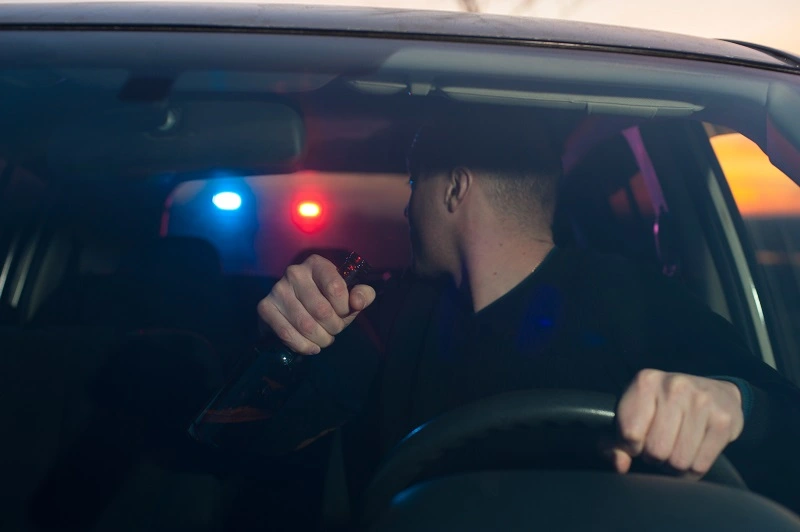
Before getting into what requests you can refuse, it will be helpful to clarify what the law actually requires. When a police officer stops you, you generally must:
- Pull over promptly and safely
- Provide your driver's license, registration, and proof of insurance
- Confirm your name and date of birth
- Exit the vehicle if the officer lawfully instructs you to do so
- Comply with all other lawful orders while detained
That’s where your legal obligations end. You aren’t required to answer questions about where you've been, whether you've been drinking, or how much you’ve consumed. You also aren’t required to perform field sobriety tests. And until you’re formally arrested, you don’t have to submit to a breathalyzer.
What Are Standardized Field Sobriety Tests?
Standardized field sobriety tests (SFSTs) are physical and cognitive exercises that officers use to assess intoxication and build probable cause for DWI arrests. Texas law enforcement officers use three tests approved by the National Highway Traffic Safety Administration (NHTSA):
- Horizontal gaze nystagmus: The officer holds up a pen or flashlight and moves it from side to side, watching for involuntary eye jerking that may indicate intoxication.
- Walk-and-turn: The officer asks the driver to walk nine steps heel-to-toe in a straight line, turn on one foot, and walk back the same way.
- One-leg stand: The detainee must lift one foot approximately six inches off the ground and hold it there while counting aloud for roughly 30 seconds.
These tests may sound simple, but in practice, they can be deceptively challenging, which is the point. Officers are trained to observe and record specific "clues" during each test. Every stumble, misstep, or hesitation becomes part of the record used to justify your arrest and prosecute your case later on.
Are Field Sobriety Tests Mandatory in Texas?
No. Field sobriety tests are entirely voluntary under Texas law. There are no automatic penalties for refusing to take them; no license suspension, no criminal charge, no legal consequence tied directly to the refusal itself. This distinguishes SFSTs from chemical tests (breath or blood), which fall under Texas's implied consent law and carry administrative penalties for refusal.
An officer may make it sound like the tests are mandatory. They may tell you that cooperating will help your situation. That isn’t the case. By the time an officer is asking you to step out of the vehicle and perform field sobriety tests, they’ve almost certainly already decided to arrest you. At this point, the tests are primarily evidence gathering.
Should You Refuse Field Sobriety Tests? The Real Answer.
Here’s where most legal advice stops short. The standard line is "refuse everything". But the reality is more nuanced, and as a former prosecutor who has seen both sides of these cases, I want to give you a straight answer.
If You Know You’re Intoxicated
Don’t take the tests. Performing SFSTs while heavily impaired will give the officer documented evidence of every stumble, mistake, and coordination failure. That evidence will be used against you at trial. Refusing forces the state to build its case with less evidence.
If You Have Any Doubt at All
Refuse the tests. Unless you’re certain you can pass, the risk of generating damaging evidence outweighs the chance of you being released and cleared of suspicion.
If You’ve Had Very Little to Drink and Feel Fully Sober
This is the only situation where the calculation changes. If you’re genuinely confident in your sobriety, performing the tests and passing them is the only realistic way to avoid arrest. The key word here is "genuinely." Nerves, fatigue, improper footwear, uneven pavement, and medical conditions can all affect your performance, regardless of your BAC.
A refusal means arrest in most cases, but a failed test guarantees arrest and hands the prosecution a detailed record of your impairment. Choose wisely.
Why Field Sobriety Tests Are Unreliable

Even if you refuse the tests, you should understand that they’re not legally unassailable. That knowledge matters if your case goes to court.
SFSTs are administered and evaluated by a single officer under subjective criteria. The officer decides what counts as a clue, what counts as a failure, and how to record the results. Factors that have nothing to do with intoxication can affect performance, including:
- Medical conditions that impact balance (inner ear disorders, vertigo, Parkinson's disease, prior injuries, etc.)
- Age and physical fitness
- Footwear, particularly heels, sandals, or loose slip-ons
- Uneven or poorly lit road surfaces
- Stress and anxiety from the stop itself
- Improper instructions from the officer
If an officer fails to administer the tests according to NHTSA protocols (for instance, by giving wrong instructions, positioning themselves or the detainee improperly, or failing to account for medical conditions), the results can be challenged in court. Dash cam and body camera footage often reveal damning errors, and a skilled DWI defense attorney will know how to spot them.
What About the Breathalyzer at the Roadside?
Officers sometimes ask drivers to blow into a portable breathalyzer called a preliminary breath test (PBT) at the scene of the stop before making an arrest. This is different from the evidentiary breath test administered at the station after arrest.
The roadside PBT isn’t the same as the post-arrest chemical test that’s compulsory under the state’s implied consent law. You can decline it at the roadside without triggering a driver's license suspension. These portable devices are also considerably less accurate than the evidentiary instruments used at police stations.
Once you’re formally arrested, the rules change. Texas's implied consent law now applies, and refusing a breath or blood test results in automatic license suspension and can be used as evidence against you at trial.
No Refusal Weekends in Williamson County
Like many Texas counties, Williamson County participates in "No Refusal Weekends", typically around major holidays and high-traffic weekends. During these special enforcement periods, on-call judges are available to sign blood-draw warrants quickly if a driver refuses a chemical test upon arrest.
Ironically, “no refusal” doesn’t actually mean you can’t refuse. It simply means that if you do, officers can obtain an expedited warrant for a mandatory blood draw. You still have the right to remain silent, and you still have the right to refuse SFSTs.
#cta_start
Facing DWI Charges in Round Rock or Georgetown?
Let a board-certified DWI defense attorney review your situation and build your defense. Contact The Law Office of Ryan H. Deck today for a free consultation.
#cta_end
What to Do During a DWI Stop in Texas
Here are the steps you should take if you get pulled over by law enforcement on suspicion of DWI in Williamson County.
Pull Over Safely and Promptly
Turn on your hazard lights and find a safe place to stop your vehicle. Sudden or erratic stops can themselves be used as evidence of impairment.
Stay Calm and Keep Your Hands Visible
Don’t reach for anything unless and until the officer asks. Announce your movements before making them.
Provide What’s Required
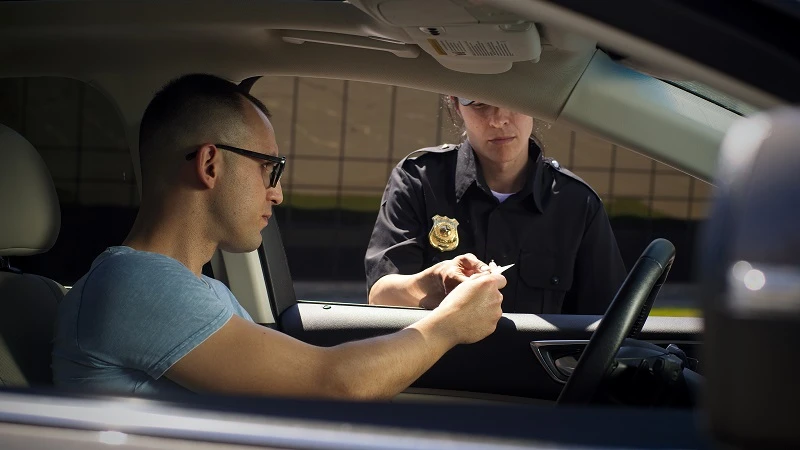
Hand over your license, registration, and insurance as required by law. Confirm your name and date of birth with the officer.
Say Nothing Beyond the Basic Facts
"Have you been drinking tonight?" isn’t a question you’re obligated to answer, nor is "Where are you coming from?" Politely decline to answer by saying something like "I'm not going to answer any questions without my attorney present".
Decline Field Sobriety Tests Politely
"I respectfully decline to perform any field sobriety tests". Say it once. Don’t argue, explain, or get defensive, even if the officer acts upset.
Decline the Roadside Breathalyzer
This is the portable device officers use before making an arrest. You can refuse it without any automatic penalty.
Exit the Vehicle If Instructed
You must comply with this request. However, you don’t have to perform any tests once you’re outside your vehicle.
Don’t Physically Resist Arrest
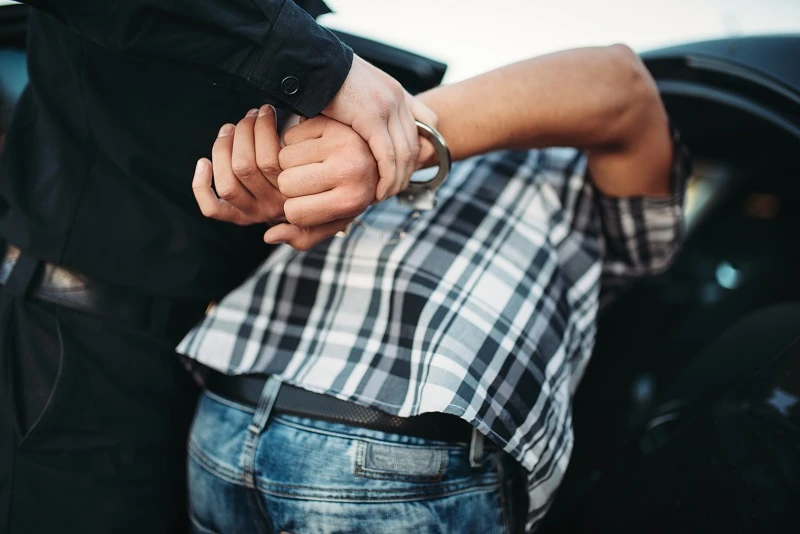
If the officer decides to arrest you, go along with them passively. Resisting won’t help your defense. It will only create new legal problems.
Request an Attorney Immediately
Following your arrest, clearly state "I want an attorney". Then, stop speaking to officers. Remember, every statement you make after your arrest can be used against you.
How a DWI Defense Attorney Can Help After the Stop
What happens at the roadside isn’t the end of the story. A skilled Williamson County DWI defense attorney can challenge the case at multiple points after the stop, focusing on the following issues.
The Stop Itself
Did the officer have reasonable suspicion to pull you over? If not, any evidence they gathered during the stop may be inadmissible under the Fourth Amendment of the Constitution.
SFST Administration
Were the tests administered correctly per NHTSA standards? Dash cam and body camera footage may reveal errors that undermine the results.
Chemical Test Reliability
Was the breathalyzer device properly calibrated and maintained? Was the blood draw conducted correctly, with an intact chain of custody?
The ALR Hearing
You have 15 days from the date of arrest to request an Administrative License Revocation (ALR) hearing to contest your license suspension. Missing this deadline means facing automatic suspension. Your attorney can represent you at this hearing.
Trial
If your case proceeds to court, every element of the state's evidence, including the stop, the field tests, the chemical results, and the officer's observations, can be legally scrutinized to create reasonable doubt.
Protect Your Rights from the Moment of the Stop
A DWI stop in Williamson County puts you at a crossroads where every decision has consequences. Knowing your rights — what you must do, what you can refuse, and what to say — is the first step in protecting yourself. The second is securing trustworthy legal representation as soon as possible.
Attorney Ryan H. Deck is a board-certified criminal defense attorney and former prosecutor who has handled DWI cases at every level in Williamson County and Travis County courts. He knows how officers construct these cases, where the evidence is most vulnerable, and how to push back effectively on clients’ behalf. Contact our team today to schedule a free consultation.


Texas Board-Certified Criminal Defense Attorney with over 20 years of experience
Target
Target

Arrested After a DWI Stop in Williamson County?
What happened during the stop matters, and it can be challenged. Call (512) 351-0644 today for a free, confidential consultation.